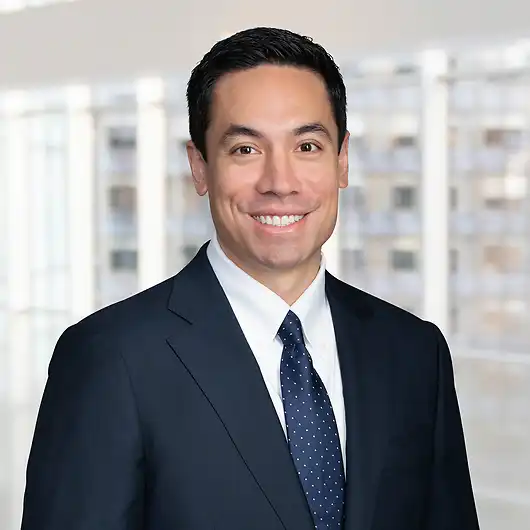
Christopher Coyne, Senior Counsel, co-presents “Worker Misclassification: Challenges of Determining Exempt vs. Non-Exempt Employees,” an on-demand webinar hosted by BARBRI.
Accurate employment classification continues to be the subject of extensive lawsuits. Recent cases regarding who is entitled to overtime pay fuel litigation, and claims by employees challenging their classification as exempt from overtime pay under the Fair Labor Standards Act (FLSA) are increasing. Some federal suits have resulted in multi-million dollar verdicts as exemption cases are often filed as both class and collective action lawsuits. State lawsuits are also on the rise, and state wage and hour laws are often more employee-friendly than the FLSA, particularly in states like California where they continue to be hotly litigated. In California, noncompliance exposes companies to individual Private Attorneys General Act (PAGA), other representative actions, and class action claims.
This CLE course guides employment counsel and employers on exemption misclassification issues, identifying positions that are most at risk for misclassification under the FLSA and state law (particularly under the common “white collar” exemptions), conducting self-audits, and implementing measures to correct misclassification errors and minimize liability exposure, such as ensuring businesses have appropriate safe harbor policies. Attendees will learn about the types of positions most at risk for misclassification as exempt, best practices for self-audits, and measures employers should take to correct classification errors and limit liability exposure.
For more information, visit the event web page.


Event Detail
On-Demand Webinar