In August, President Trump signed an executive order directing federal agencies to press states toward broader religious exemptions from school vaccine mandates.
For state health agencies, school districts, and vaccine manufacturers, the order raises immediate questions about how far federal authority actually extends into an area states have long controlled on their own.
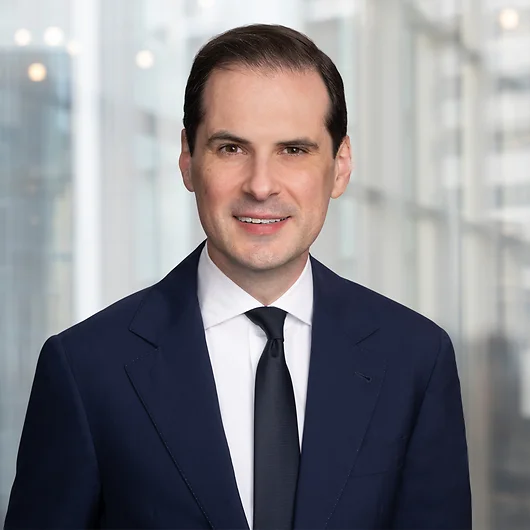
In "Trump Not Likely to Change Direction of School Vaccine Law", Law360 Healthcare Authority examined the Trump administration's executive order and the legal boundaries on its reach. Richard H. Hughes IV, Member of the Firm of Epstein Becker Green and counsel to vaccine manufacturers and health care organizations on health policy and legislative matters, discussed what the order can and cannot accomplish.
Hughes said the order does not by itself create new legal exemptions or impose requirements Congress has not authorized, and federal agencies remain free to enforce only the obligations that already exist. He also pointed to the anti-commandeering doctrine, which for decades has limited how far the federal government can go in directing states to change their own laws. Ultimately, he said, the question of whether a given state's approach crosses a constitutional line comes down to who has the final say.
"The courts - not the president or attorney general - will determine whether state laws actually violate religious liberty, disability, equal protection or other federal requirements," said Hughes.
Get in Touch
To discuss how the Trump administration's vaccine order may affect your organization's compliance strategy around school vaccination requirements, contact Richard H. Hughes IV at RHHughes@ebglaw.com