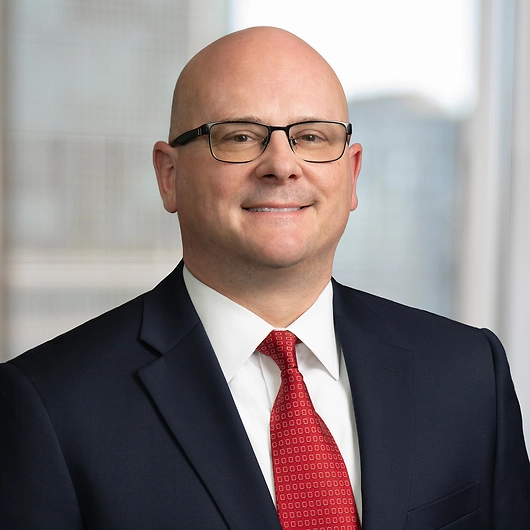
Thomas J. Jaworski, Member of the Firm, co-presents “New DOJ National Fraud Enforcement Division: Healthcare Impact, High-Tech Resources, Extensive Prosecutorial Authority,” a webinar hosted by BARBRI.
The DOJ recently published a final rule formalizing the Fraud Division and a memorandum describing the Fraud Division’s enforcement priorities including a heightened focus on healthcare.
The final rule describes the Fraud Division’s extensive prosecutorial authority and jurisdiction over a broad range of fraud-related matters including health plan fraud (now assigned exclusively to the Fraud Division rather than the DOJ Criminal Division) and more general healthcare fraud. The rule also indicates that the Fraud Division will now have concurrent jurisdiction with the Criminal Division over controlled substances matters. Importantly, the final rule also grants the Fraud Division authority to prosecute any federal crime discovered during an investigation even if it falls outside the enumerated subject matter enforcement areas.
The McDonald Memorandum provides additional insight as it sets forth the Fraud Division’s enforcement priorities across five areas including a heightened scrutiny of healthcare given that national healthcare expenditures are expected to grow from “over $3 trillion a year to over $7 trillion, and estimates are that between 3-10% of that amount is lost to fraud.” The memorandum indicates that the division will dedicate increased resources to rooting out fraud including utilizing “cutting-edge” data analysis and technology to target a variety of health-related areas including telemedicine program fraud, Medicare or Medicaid fraud, controlled substance diversion, home health schemes involving illegal kickbacks, and the marketing of unsafe products and services.
Counsel for healthcare stakeholders should understand how this new division and its enforcement priorities may impact their clients and what they should be doing now to mitigate the risk of enforcement action including reviewing compliance programs and self-disclosure frameworks and preparing for possible investigations.
Listen as the panel examines the establishment of the Fraud Division, reviews its enforcement priorities particularly related to healthcare, and offers best practices for compliance.
For more information, visit the event web page.
Event Detail
Webinar